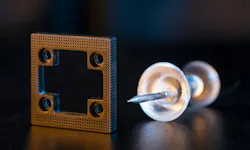
From Prototyping to Production: How High-Precision 3D Printing is Reinventing Electronics Manufacturing High-precision 3D printing reduces electronics prototyping time by up to 90% and costs by up to 70%. Discover how: Discover how high-precision 3D printing can dramatically reduce prototyping time, enable rapid design iterations, and eliminate the costly delays associated with traditional manufacturing methods like micro injection molding. To Scale from Prototyping to Production Learn strategies to transition seamlessly from prototypes to full-scale production using 3D printing, ensuring consistent quality, flexible design changes, and reduced retooling costs. To Get Started with High-Precision 3D Printing Understand key steps to begin your 3D printing journey, including selecting pilot projects, evaluating suitable 3D printing technology, and planning a smooth transition from prototyping to production. Download Guide Learn more about the microArch® D1025 dual-resolution printer Powered by PµSL and based on BMF’s hybrid resolution technology, the dual resolution microArch D1025 prints in either 10µm or 25µm resolution, or in hybrid mode with both resolutions in the same print layer or in different layers. Sign up to receive the latest news, information, and trends about micro 3D printing as well as updates about our products and services. BMF is committed to protecting and respecting your privacy, and we’ll only use your personal information to administer your account and to provide the products and services you requested from us. Blog • June 9, 2021 Micro 3D Printing and Metal Plating for Low-Volume, High-Precision Parts Micro 3D printing and metal plating are complementary technologies that can produce low-cost parts for applications that require metal surfaces and/or electrical conductivity. Because plastics typically cost less than metals, metal-clad plastics can reduce material expenses; however, 3D printed polymers are often a poor choice for plating because of their surface finish. Moreover, most 3D printers cannot produce intricate parts with high precision. Among the 3D printers that can, the degree of precision may be more than the application requires.